A field report from Climate Week Zurich 2026
By Jean-Marc La Flamme
I just spent a week in Zurich at the inaugural Climate Week Zurich, 250+ events, 10,000 attendees, and some of the most earnest, intelligent, and genuinely motivated people I have encountered in years of working at the intersection of climate, capital, and community.
I attended two events that bookended the week perfectly: Regenerative Living 5.0 and the Green Tech Hackathon and Impact Hub. Between them, many stops at the Google Campus and I got a clear picture of both what Europe is doing brilliantly, and what it still needs to unlock.
Regenerative Living 5.0: Co-creation at its finest
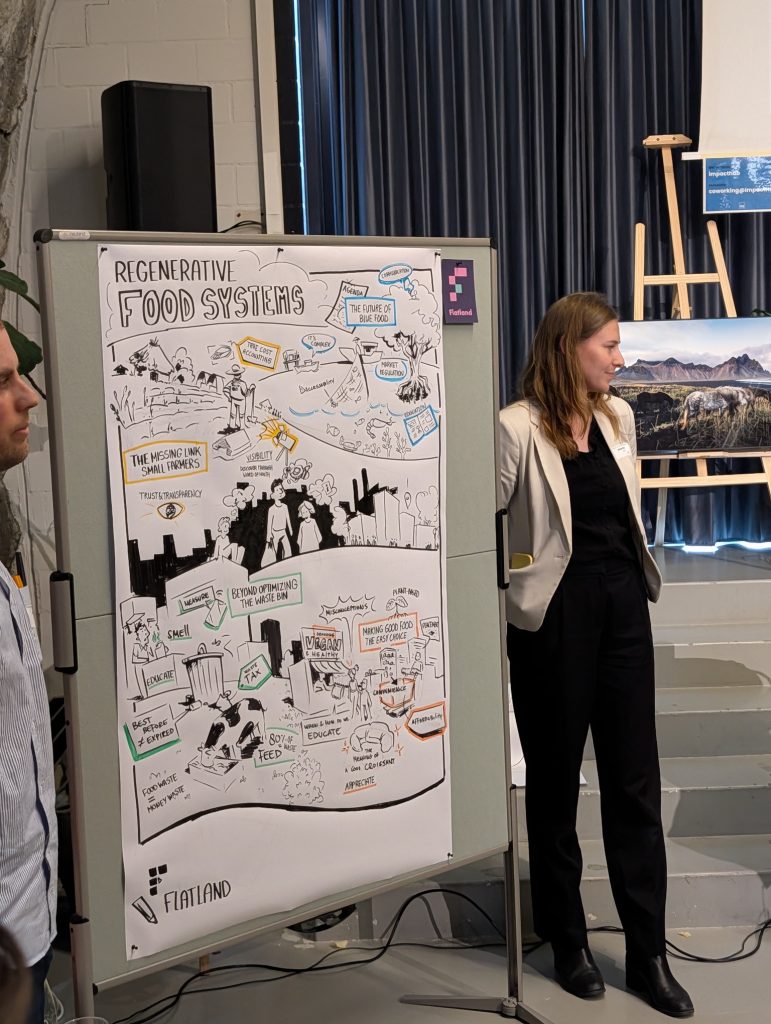
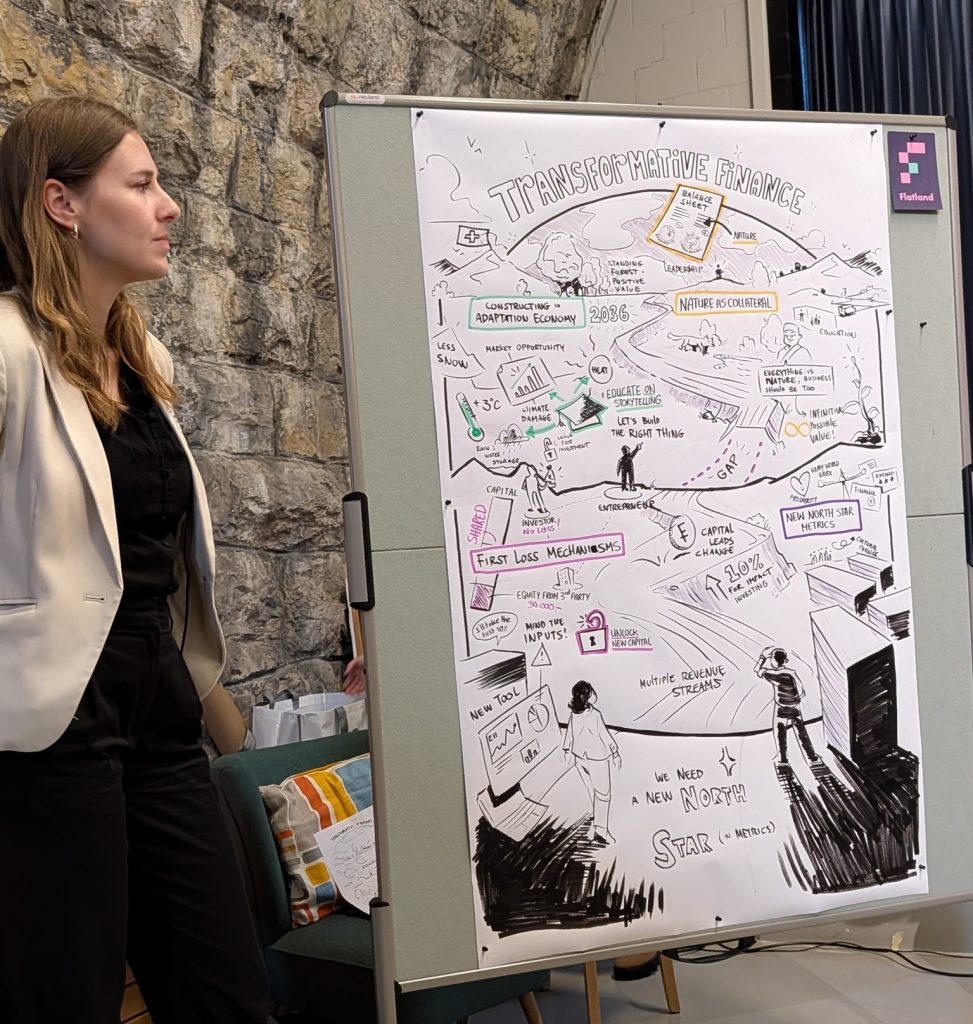
Advantika built a full-day experience structured around genuine co-creation, not panels where experts talk at an audience, but Mastermind Circles where founders, investors, and community builders worked through real problems together. The morning explored regenerative food systems and business models. The afternoon tackled transformative finance.
What struck me most was the quality of listening in the room. People came with genuine curiosity, not just business cards. The conversations about how regenerative business models can scale without losing their soul, whether philanthropic principles are always the starting point, or whether market logic can carry regeneration further, were the kind of conversations that actually move things forward.
This is Europe at its best: deep, thoughtful, values-driven co-creation with serious people who have done the inner work.
The Green Tech Hackathon: Creative energy, technical depth
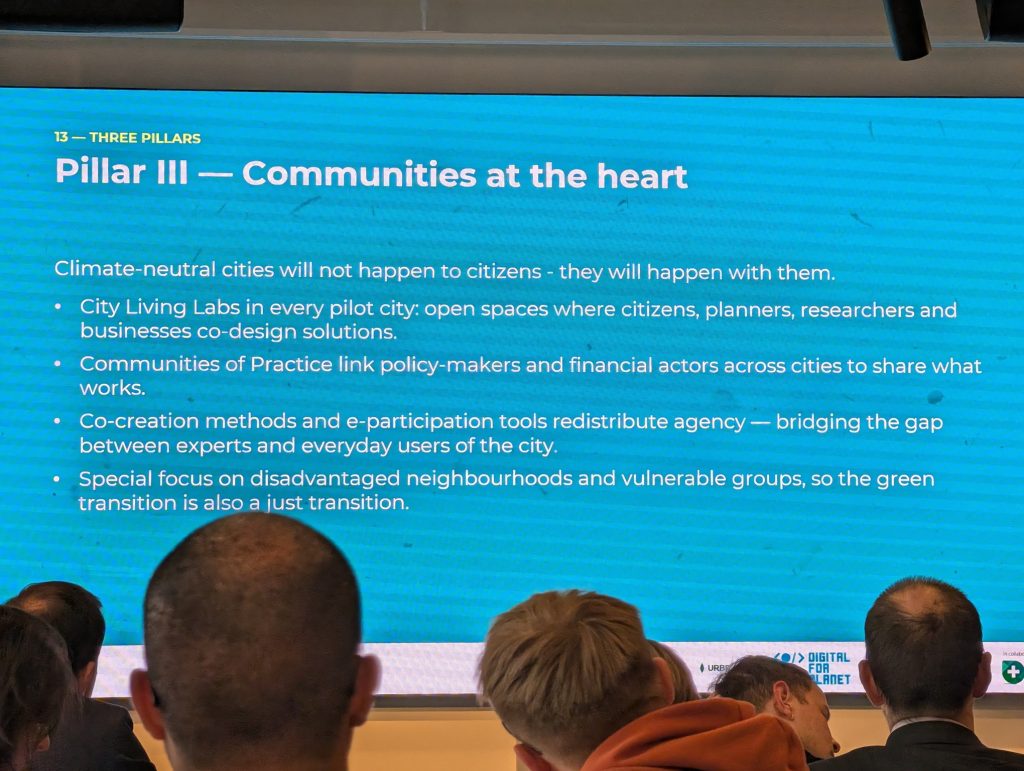
Friday’s hackathon brought together developers, designers, sustainability experts, and technologists for eight intensive hours building prototypes to build healthy communities.
Teams self-organized fast, ideas moved quickly from whiteboard to prototype, and the quality of technical thinking was high. This is a European tech community that genuinely cares about what it builds and for whom.
The pattern across the whole week
Reading the reflections pouring out of CWZ from attendees across all 250+ events, a consistent theme emerged. As one attendee put it: “The capital exists. The ambition exists. The solutions and technologies increasingly exist. But scaling solutions still requires the right incentives, infrastructure, collaboration and ways of working across sectors.”
Another: “Implementation is the bottleneck, and collaboration is the only way through it.”
Another: “The technologies exist. The challenge now is execution.”
Story after story, session after session, the same diagnosis: Europe has the vision, the values, the frameworks, the co-creation capacity, and increasingly the capital. What it is still figuring out is how to move from inspired conversation to coordinated action at speed and scale.
The missing layer: AI Agents
Here is what I kept thinking throughout the week.
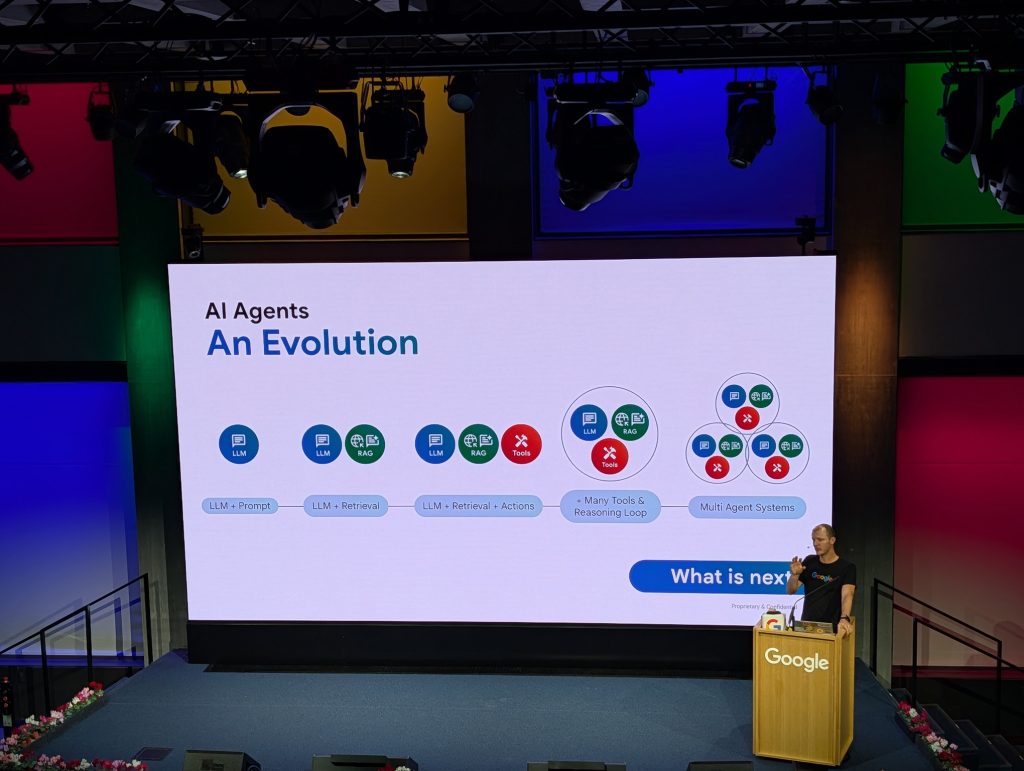
The gap between co-creation and execution is not a human problem. It is a coordination problem. And coordination problems at scale are exactly what AI agents are built to solve.
Europe has built extraordinary infrastructure for bringing the right people into the right rooms. What it has not yet deployed is the layer that takes the outputs of those rooms = the commitments, the connections, the action items, the follow-ups, and actually wires them into motion.
AI agents can do what no human network can do alone: track every commitment made in every room, match every founder with the right investor thesis, follow up on every warm introduction, synthesize insights across hundreds of parallel conversations, and turn the outputs of a week like CWZ into a living action system rather than a pile of LinkedIn posts.
The co-creation is world-class. The capital is mobilizing. The solutions are real. Now deploy the agents.
That is the next chapter for Europe’s regenerative transition — and the opportunity I am most excited about building toward.
Jean-Marc La Flamme is a Swiss-Canadian regenerative developer and AI builder, co-owner at Geoship Homes, and Future Villages. He builds regenerative community infrastructure and AI tools for civic resilience

